
Miromar Lakes Hedging Services
Choose our professional hedging services for precision, reliability, and lush, healthy boundaries that enhance your property's curb appeal and provide year-round privacy.
Get a Free QuoteOur Miromar Lakes Landscaping & Yard Care Services
When to Schedule Hedging in Miromar Lakes, Florida – Seasonal Guide
In Miromar Lakes, Florida, the best times to schedule hedging are typically late winter through early spring and again in late summer. These periods align with the region’s subtropical climate, allowing plants to recover quickly from trimming before the intense summer heat or cooler winter temperatures set in. Local neighborhoods such as Miromar Lakes Beach & Golf Club and the areas surrounding Lake Como benefit from this timing, as it helps maintain lush, healthy hedges that complement the area’s upscale landscapes.
Environmental factors unique to Miromar Lakes—like high humidity, sandy soils, and the risk of late winter frosts—play a significant role in determining the optimal hedging schedule. For example, properties near The Peninsula or along Miromar Lakes Boulevard may experience more shade coverage, affecting growth rates and the frequency of maintenance. It’s also important to consider municipal guidelines and local resources such as the Sudbury town website for updates on landscaping best practices and any seasonal restrictions.
Local Factors to Consider for Hedging in Miromar Lakes
- Tree density and proximity to water features
- Soil type (sandy vs. loamy)
- Annual precipitation and drought risk
- Shade coverage from mature trees or buildings
- Neighborhood-specific municipal restrictions
- Timing of local frost dates and heat waves
Benefits of Hedging in Miromar Lakes
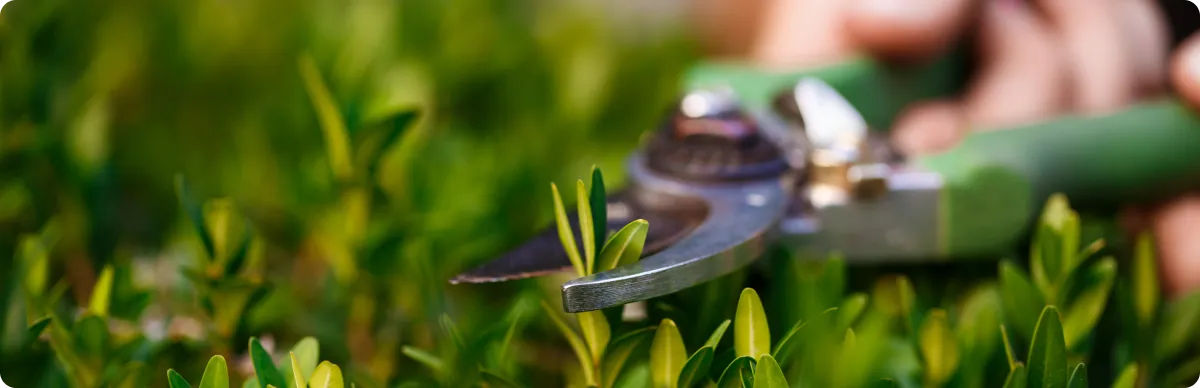
Enhanced Property Privacy
Improved Curb Appeal
Natural Noise Reduction
Increased Property Value
Low Maintenance Solutions
Customized Landscape Designs
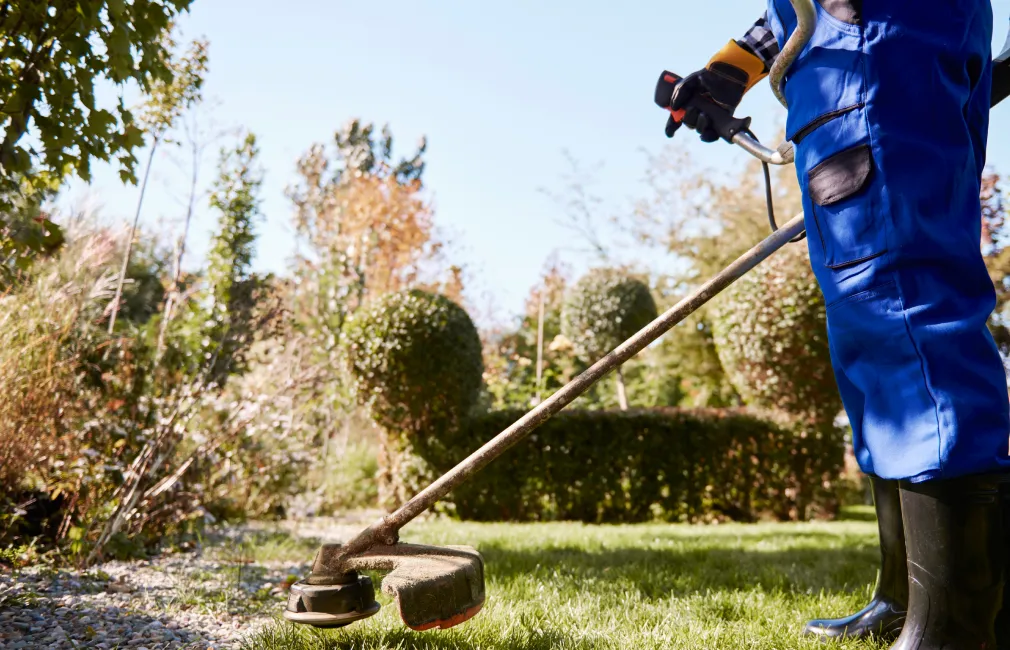
Miromar Lakes Hedging Types

Boxwood Hedges
-
Podocarpus Hedges
-
Clusia Hedges
-
Ficus Hedges
-
Areca Palm Hedges
-
Cocoplum Hedges
-
Viburnum Hedges
Our Hedging Process
Consultation
Site Preparation
Precision Trimming
Cleanup
Why Choose Miromar Lakes Landscape Services
-
Miromar Lakes Homeowners Trust Us
-
Expert Lawn Maintenance
-
Reliable Irrigation Solutions
-
Comprehensive Tree Care
-
Competitive Pricing
-
Professional Team
-
Personalized Service
Miromar Lakes's Sandy Entisol Soils and Their Impact on Hedge Root Establishment
Miromar Lakes is situated within USDA Hardiness Zone 10a, where the predominant Immokalee fine sand and Oldsmar fine sand soil series present distinct challenges for hedge establishment. These Entisol and Spodosol soils, characteristic of southwest Florida's flatwoods landscape, feature excessively drained sandy profiles with pH levels typically ranging from 5.0 to 6.5 and very low organic matter content—often below 1 percent. Hedge species planted in these conditions require soil amendment strategies to support root anchorage and nutrient retention. Key considerations include:
- Incorporate 3–4 inches of composted organic matter tilled to 8–10 inches depth at planting
- Apply slow-release granular fertilizer at 1–1.5 lbs nitrogen per 1,000 sq ft to compensate for rapid nutrient leaching
- Maintain 3-inch mulch rings around hedge bases to retain moisture in fast-draining sand
- Test soil through UF/IFAS Extension Lee County office ($10–$25 per sample) to determine precise pH and nutrient deficiencies
Property owners can verify site-specific soil data using the USDA Web Soil Survey before selecting hedge species or amending planting beds.
Selecting Salt-Tolerant and Heat-Resistant Hedge Species for Miromar Lakes
The subtropical climate of Miromar Lakes, with average summer temperatures exceeding 90°F and proximity to brackish coastal influences in Lee County, demands careful hedge species selection. The USDA Plant Hardiness Zone Map classifies this area as Zone 10a, supporting year-round evergreen growth but requiring species tolerant of intense heat, humidity, and periodic salt spray carried inland during tropical weather events. Recommended hedge species for Miromar Lakes properties include:
- Green Island Ficus (Ficus microcarpa): Dense, compact growth to 6–8 feet; tolerates sandy soils and full sun; plant 24–30 inches apart for privacy screening
- Simpson's Stopper (Myrcianthes fragrans): Native Florida species reaching 10–15 feet; drought-tolerant once established; attracts native pollinators
- Clusia (Clusia guttifera): Salt-tolerant to moderate levels; dense foliage ideal for 6–10 foot hedges; spacing at 3–4 feet on center
- Cocoplum (Chrysobalanus icaco): Native coastal species; tolerates wet and dry conditions; maintains 6–12 foot height with regular trimming
- Walter's Viburnum (Viburnum obovatum): Florida native; compact form suitable for 4–8 foot formal hedges; supports wildlife habitat
The UF/IFAS Extension publishes region-specific plant guides for Lee County that address species suitability for Miromar Lakes's microclimate conditions.
Protecting Miromar Lakes's Lake Systems and Wetland Buffers During Hedge Maintenance
Miromar Lakes is defined by its extensive interconnected freshwater lake system—over 700 acres of navigable waterways—making environmental compliance during hedge work a critical obligation. Lee County's Natural Resources Division enforces vegetative buffer requirements along lakeshores and wetland boundaries, typically mandating a 25-foot minimum no-disturbance zone from the mean high-water line. Hedge trimming debris, chemical applications, and soil disturbance within these buffers are regulated under the Florida Environmental Protection Act and the Clean Water Act MS4 stormwater provisions. Compliance requirements include:
- No hedge clippings, fertilizer, or pesticide runoff may enter stormwater conveyances or lake surfaces
- Maintain 50-foot setback from wetland edges for any chemical hedge treatment applications
- Collect all trimming debris immediately; do not allow accumulation near drainage swales or lake banks
- Herbicide use near water requires a Florida Department of Agriculture aquatic-use permit
The Miromar Lakes Community Development District (CDD) oversees infrastructure and drainage within the community and can provide guidance on buffer zone boundaries.
Lee County Natural Resources
1500 Monroe Street, Fort Myers, FL 33901
Phone: (239) 533-8000
Official Website: Lee County Natural Resources
Miromar Lakes Community Development District
10801 Corkscrew Road, Suite 305, Estero, FL 33928
Phone: (239) 948-7300
Official Website: Miromar Lakes Community Development District
Navigating Lee County Zoning and Hedge Height Regulations for Miromar Lakes Properties
Because Miromar Lakes is an unincorporated community governed by Lee County, hedge installation and maintenance must comply with Lee County's Land Development Code. Zoning regulations establish maximum hedge and fence heights based on property zoning classification and setback location. Key regulatory parameters include:
- Front yard hedges: Typically limited to 4 feet in height within the front setback area to maintain sight-line safety at driveways and intersections
- Side and rear yard hedges: Generally permitted up to 6–8 feet depending on zoning district (residential single-family vs. multi-family)
- Corner lot sight triangles: Vegetation within 25 feet of street intersections must not exceed 30 inches in height to preserve driver visibility
- Property line setbacks: Hedges typically must be planted a minimum of 2–3 feet from property lines unless a shared boundary agreement exists
The Miromar Lakes HOA imposes additional architectural review requirements for hedge species, height, and placement. Property owners should submit landscape modification requests to the HOA Architectural Review Board before planting or significantly altering existing hedges. Lee County Zoning can confirm code-specific requirements for individual parcels.
Lee County Zoning
1500 Monroe Street, Fort Myers, FL 33901
Phone: (239) 533-8585
Official Website: Lee County Zoning
Optimal Hedge Trimming Schedules for Miromar Lakes's Year-Round Growing Season
Miromar Lakes's frost-free subtropical climate supports nearly continuous hedge growth, requiring more frequent maintenance than temperate regions. The National Weather Service Miami-South Florida office monitors conditions relevant to Lee County, including tropical storm advisories that may affect scheduling. Recommended trimming frequency and timing include:
- Formal hedges (Ficus, Clusia): Trim every 4–6 weeks during the active growing season (March through October); reduce to every 8–10 weeks November through February
- Native hedges (Cocoplum, Simpson's Stopper): Trim 3–4 times annually; avoid heavy pruning during spring flowering (March–May) to protect pollinator habitat
- Post-storm inspection: After tropical weather events (June 1–November 30 hurricane season), inspect hedges for wind damage and remove broken branches within 48 hours to prevent disease entry
- Avoid pruning during extreme heat: Schedule trimming before 10:00 AM or after 4:00 PM when temperatures exceed 95°F to reduce plant stress and operator heat exposure
- Rainy season considerations: June through September afternoon thunderstorms require flexible scheduling; avoid trimming wet foliage to reduce fungal disease spread
Equipment operators should observe Lee County noise guidelines, which typically restrict commercial landscape equipment operation to Monday through Friday 7:00 AM–7:00 PM and Saturday 8:00 AM–5:00 PM, with no operation on Sundays or federal holidays. Operators must wear ANSI Z87.1 rated eye protection, hearing protection rated for 85+ dB, and cut-resistant gloves when operating powered hedge trimmers.
What Streets and Subdivisions Do We Serve Throughout Miromar Lakes, FL?
- Volterra: Luxury estate homes along the community's signature waterfront, featuring expansive lakefront lots where hedge maintenance must account for 25-foot vegetative buffer zones and salt-tolerant species selection near open water exposures.
- Bellini: Mediterranean-style villas near the Miromar Lakes Beach Club, where compact lot configurations require precise hedge trimming to maintain privacy screening within tight side-yard setbacks of 5–7 feet between structures.
- Montebello: Single-family residences along interior lake coves with Immokalee fine sand soils and seasonal high water tables at 12–18 inches, necessitating hedge species tolerant of periodic root-zone saturation such as Cocoplum and Walter's Viburnum.
- Isola Bella: Island-access homes surrounded by navigable waterways, where equipment access is limited and all hedge debris must be contained on-site to prevent material from entering the interconnected lake system.
- Tivoli: Coach homes and attached villas along the community's golf course corridor, where HOA architectural standards govern uniform hedge height at 4–6 feet and approved species lists restrict planting to pre-approved cultivars.
- Costa Amalfi: Waterfront condominiums near the community's western boundary, where shared landscape areas require coordination with the Miromar Lakes CDD for hedge work scheduling and debris removal from common-element plantings adjacent to stormwater management infrastructure.